Intentional Miles: A Conversation with Adventure Rider Silas
Updated: Jun 11
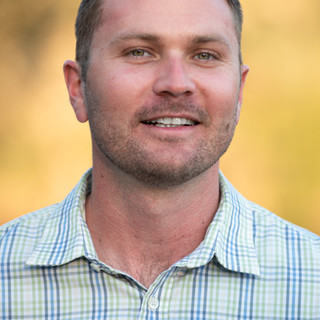
Who is Silas? Silas is a first responder, long-distance adventurer, and a dedicated advocate for intentional riding. Despite starting without a background in motorcycles, he transformed a cautious curiosity into a lifestyle of high-consequence travel, spanning from Central America to the sub-zero winters of the Arctic Circle. His approach to riding is defined by a unique blend of rapid decision-making and disciplined risk management, proving that the most important skill a rider can possess isn't just knowing when to go, but knowing when to turn back.
Motorcycles were never part of his world growing up. There was no early influence, no natural path that led him toward two wheels. In fact, for years, his understanding of motorcycles was shaped by the opposite experience. Working as a first responder, he had seen the consequences up close. He had seen what happens when things go wrong, and for a long time, that was enough to keep him firmly on the outside looking in.

But perspective is rarely fixed.
Over time, he began to notice a different version of motorcycling than the one he had known. He saw riders traveling with intention, equipped properly, moving through the world in a way that was deliberate rather than careless. It did not erase the risk, but it reframed it. The question was no longer whether motorcycles were dangerous. It was whether they could be approached differently.
At some point, that question became an invitation.
He bought the bike.
There was no decision making process in place, shit, he didn’t even have a license yet. What he did have was a quiet parking lot across the street from his house, and enough curiosity to begin. He spent his first days riding in slow circles, practicing control, studying, and learning the mechanics of movement before ever venturing further.

The early rides were unremarkable by design. He stayed close to home, experimented with gravel, dropped the bike, and gradually built the kind of familiarity that cannot be rushed. There was no urgency in those first miles, only repetition and adjustment.
And then, without any clear dividing line, it changed.
Riding stopped feeling like an activity but instead brought clarity. The kind that comes from sustained focus, where every decision matters just enough to keep you engaged, but not enough to overwhelm you. It was, in a way, restorative.
From there, the progression was less about escalation and more about commitment.

The routes stretch for hundreds of miles in every direction. Roads that most riders would consider a singular achievement became part of his regular rotation. The ride north toward the Arctic, in particular, became something he returned to repeatedly, not because it was predictable, but because it was not.
Each ride offered a different version of the same road.
Within a year of buying his first motorcycle, he expanded his scope dramatically. He rode from Alaska to Central America and back, working within the constraints of time rather than waiting for ideal conditions.
But the ride that reveals the most about how Silas approaches motorcycling is not the longest or the most geographically impressive. It is the one where he chose to bring his child with him.

Still early in his riding, still developing his skills, he set out toward the Dalton Highway with a nine-year-old passenger on the back of the bike. It is a road that demands attention even from experienced riders, with conditions that can change rapidly and without warning.
He did not complete the route on that attempt.
He turned around partway through.
That decision, more than the ride itself, speaks to the way he operates. There is a clear willingness to take on challenges, but it is balanced by an equally clear understanding of when to stop. The objective is not to push blindly forward, but to remain in control of the situation as it evolves.
He recognizes that a road is never a static object. It can be manageable one day and extremely difficult the next, depending on weather, maintenance, and timing. Riders often describe it in conflicting terms, not because they are exaggerating, but because they are describing entirely different conditions.


For Silas, that variability is part of the appeal.
He does not return to the same routes to repeat an experience, but to encounter it again under new circumstances. This mindset is perhaps most evident in one of his more unconventional rides. In late winter, under conditions that most riders would avoid entirely, he and a friend prepared their motorcycles for sustained travel in freezing temperatures and set out toward Prudhoe Bay.
To the uninitiated, it looks like madness. To Silas, it was a problem to be solved with studded tires, specialized gear, and a heightened state of vigilance.
It is easy to interpret that kind of ride as extreme, but in practice, it reflects a consistent approach rather than an outlier.

Silas tends to make decisions quickly, but not carelessly. He is willing to step into situations that are uncertain, but he does so with an awareness that allows him to remain adaptable within them.
Most riders spend a significant amount of time waiting for the right moment to begin. The right experience level, the right equipment, the right plan.
Silas began without most of those things.
He learned in a parking lot, built his experience incrementally, and within a relatively short period of time, expanded his riding well beyond what most would consider typical.

Not because he had eliminated risk.
Because he had decided it was worth understanding.
And once that decision is made, the rest tends to follow.
Takeaways…
For new riders:
You do not need a background in motorcycling to begin, only the willingness to start and the patience to build experience over time.

For experienced riders:
The most meaningful progression comes from continuing to engage with unfamiliar conditions while maintaining the awareness to adapt when necessary.
For all of us:
The defining moments are rarely dramatic, they are the quiet decisions to begin, and the discipline to keep going once you do.


